
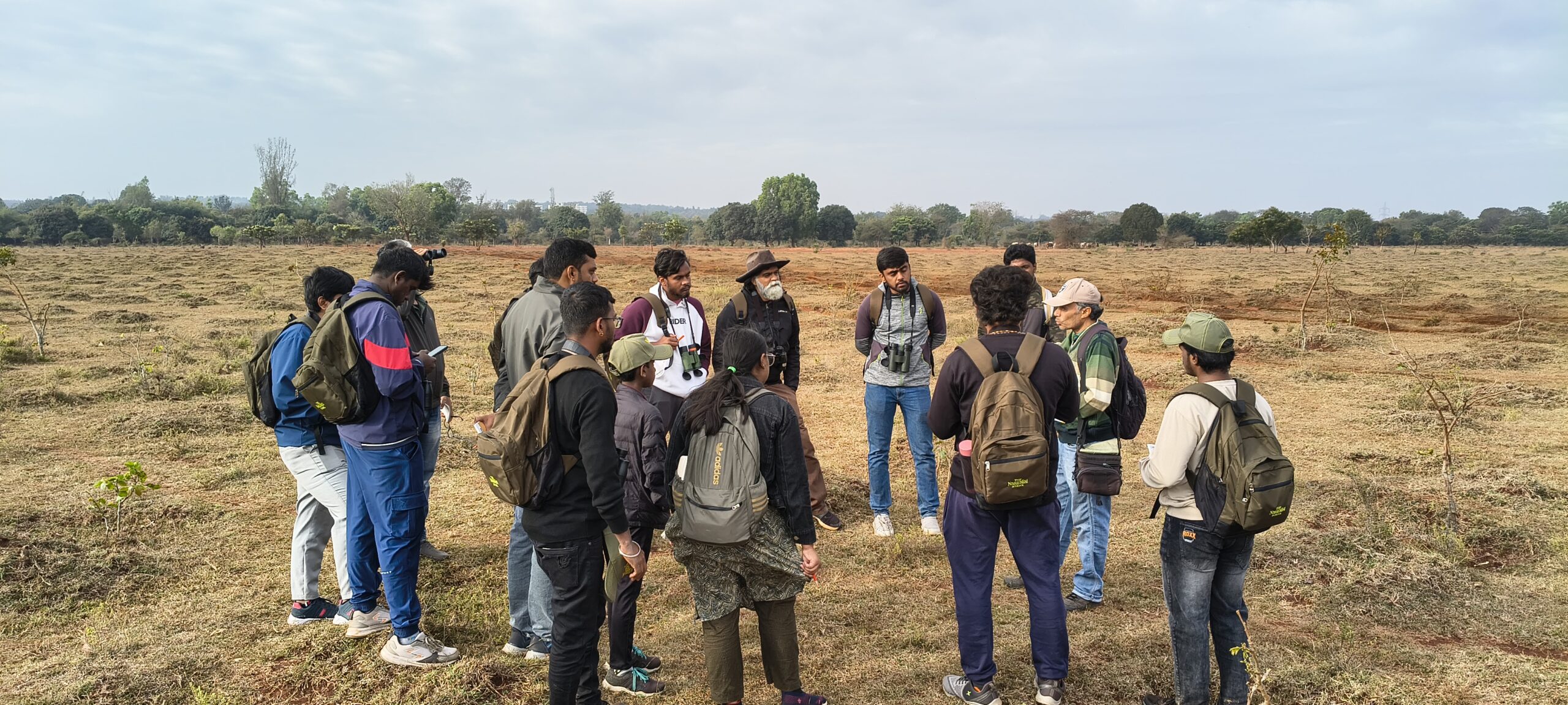
Responsible Ecotourism at Hesaraghatta Grasslands
Hesaraghatta is more than a landscape on the outskirts of Bengaluru. It is a living ecological system—an open grassland, a lake ecosystem, and a refuge for an extraordinary diversity of life.
With the Greater Hesaraghatta Grassland Conservation Reserve now recognised for its ecological importance, there is a growing need to connect conservation with the communities who live closest to this landscape.
Responsible Ecotourism at Hesaraghatta Grasslands was initiated with this vision: to equip young people from surrounding communities with the knowledge, skills, confidence, and professional opportunities to become certified nature guides and conservation ambassadors.
Why Hesaraghatta?
Hesaraghatta represents one of Bengaluru’s last remaining large open-grassland landscapes. Its importance extends beyond the grasslands themselves, encompassing the lake and surrounding habitats that support a remarkable range of biodiversity.
The landscape supports
-
- More than 395 insect species
- 285 bird species
- 111 butterfly species
The declaration of the Greater Hesaraghatta Grassland Conservation Reserve is an important step towards safeguarding this unique ecosystem.
However, protecting a landscape is not only about boundaries and regulations. Long-term conservation also depends on people—especially the communities that share their everyday lives with these natural spaces.
From Local Youth to Nature Guides
The project began with an important question:
Can conservation create meaningful opportunities for local communities while helping visitors understand and appreciate nature responsibly?
The answer lies in building local capacity.
Young people from communities around Hesaraghatta were brought into a structured learning process that combined biodiversity knowledge with practical nature-guiding skills. The training extended far beyond identifying birds, plants, insects, and ecological systems.
Participants developed skills in
-
- Nature interpretation
- Communication and storytelling
- Field observation and discipline
- Guiding techniques
- Visitor engagement
- Local ecology
- Responsible tourism practices
- Confidence and leadership
- Conservation awareness
- Professional nature guiding
The objective was to help participants see nature guiding not simply as a recreational activity, but as a potential profession, livelihood, and pathway towards conservation.
Our Four Pillars
Our work folloed the following core pillars –
1. Conservation Through Education
When people understand a landscape, they are more likely to value and protect it.
The project equips local youth with the ecological knowledge and interpretation skills needed to help visitors understand Hesaraghatta’s grasslands, lake ecosystem, biodiversity, and conservation challenges.
2. Professionalisation of Nature Guides
Nature guiding requires much more than knowing the names of species.
A professional guide must observe carefully, communicate clearly, manage groups responsibly, interpret ecological relationships, and create meaningful visitor experiences. The project therefore focused on developing confident, responsible, and skilled nature interpreters.
3. Livelihood and Entrepreneurship Development
Conservation becomes stronger when local communities can see sustainable economic opportunities linked to protecting their natural heritage.
By building guiding skills and professional confidence, the project creates pathways for young people to explore livelihoods in nature education, ecotourism, interpretation, and conservation-related activities.
4. Urban Climate Resilience and Adaptation
Hesaraghatta’s grasslands and associated ecosystems are part of Bengaluru’s wider ecological infrastructure.
Open natural landscapes, wetlands, and grasslands contribute to biodiversity conservation, water systems, climate resilience, and the ecological health of a rapidly urbanising city. Responsible ecotourism helps communities and visitors understand why these landscapes matter—not only for wildlife, but for Bengaluru’s future.
A Collaborative Initiative
Responsible Ecotourism at Hesaraghatta Grasslands was implemented collaboratively by The Naturalist School, Conservation INDIANative Jungle, and Our Native Village.
The initiative was supported under the Small Grants Programme of the Bengaluru Sustainability Forum, administered by NCBS-TIFR, with financial support from Wipro.
This collaboration brought together expertise in nature education, conservation, community engagement, and responsible tourism to create a locally rooted model for conservation learning.
More Than Training
At its heart, this project was never simply about conducting a course. It was about creating a journey. A journey:
-
- From curiosity to knowledge
- From knowledge to confidence
- From confidence to professional skills
- From professional skills to meaningful participation in conservation
Participants learned in the field, observed biodiversity, interacted with experienced naturalists, practised interpretation, and explored what it means to guide people responsibly through a sensitive ecological landscape.
The training encouraged them to become more than guides. It encouraged them to become interpreters of their own landscape.
Stories of Transformation
The journeys of Ashwini, Naveen, and Nikhil reflect the early outcomes of this larger vision.
Their experiences demonstrate what can happen when local youth gain access to training, mentorship, practical experience, and meaningful opportunities to engage with the natural world around them.
These are not isolated success stories. They are early signs of a wider shift: local youth being mobilised, trained, mentored, assessed, and gradually introduced to the world of nature guiding, ecological interpretation, and conservation-linked livelihoods.
Each new guide represents another person who can help visitors experience Hesaraghatta differently—not simply as open land, but as a living ecosystem.
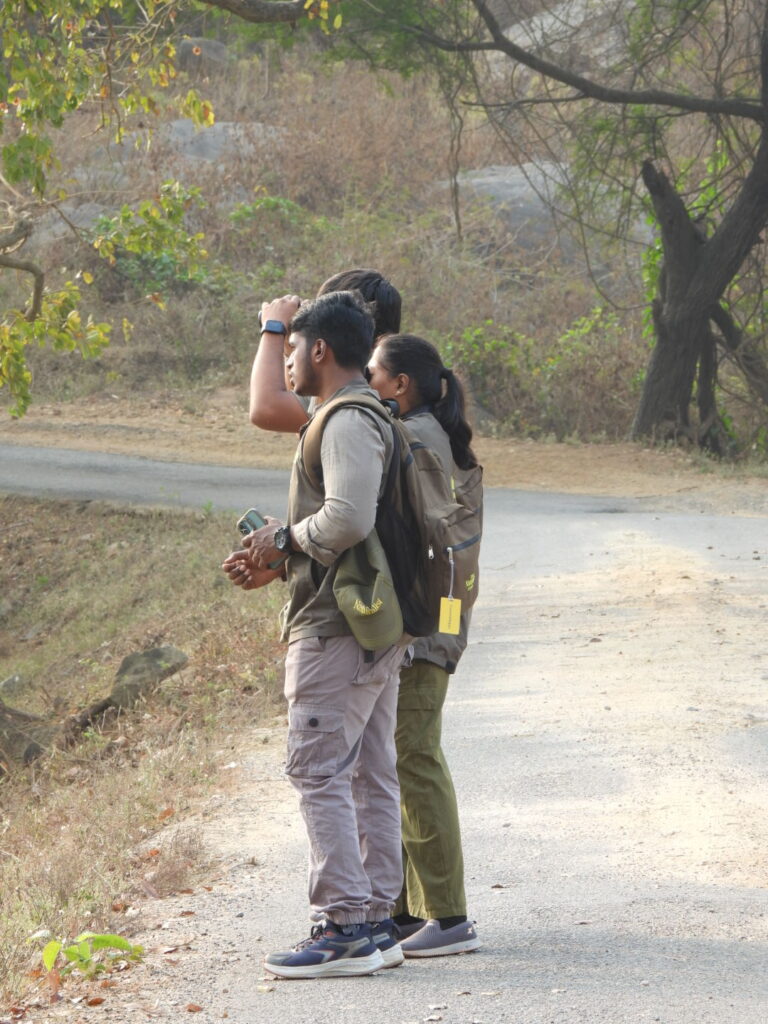
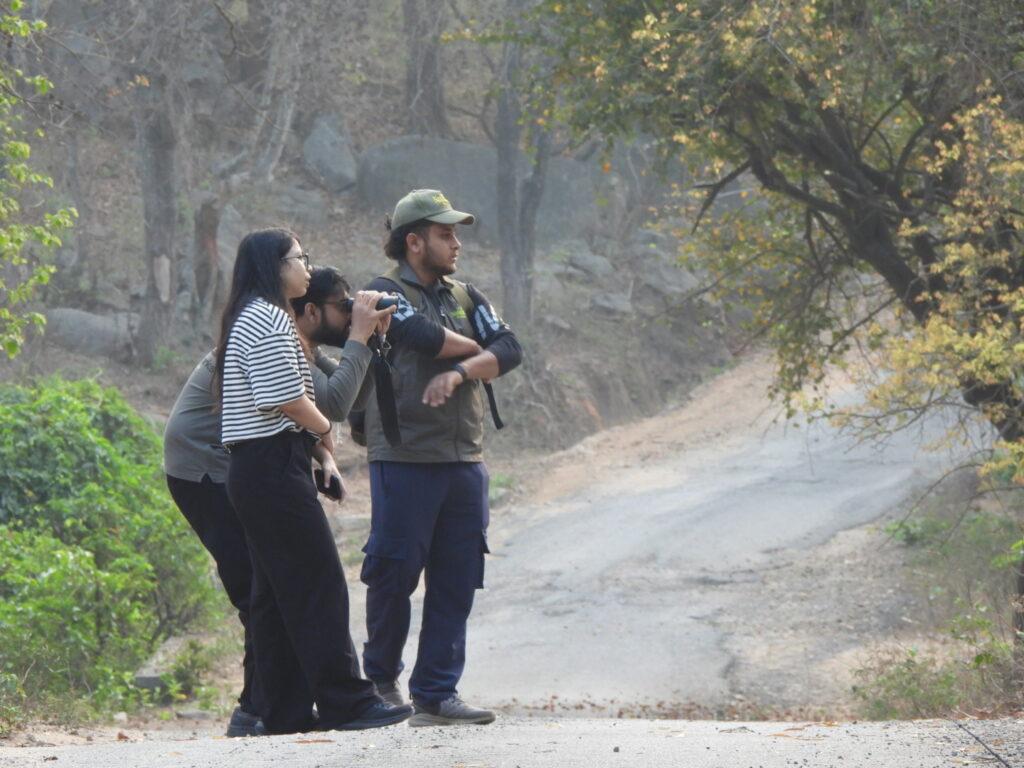
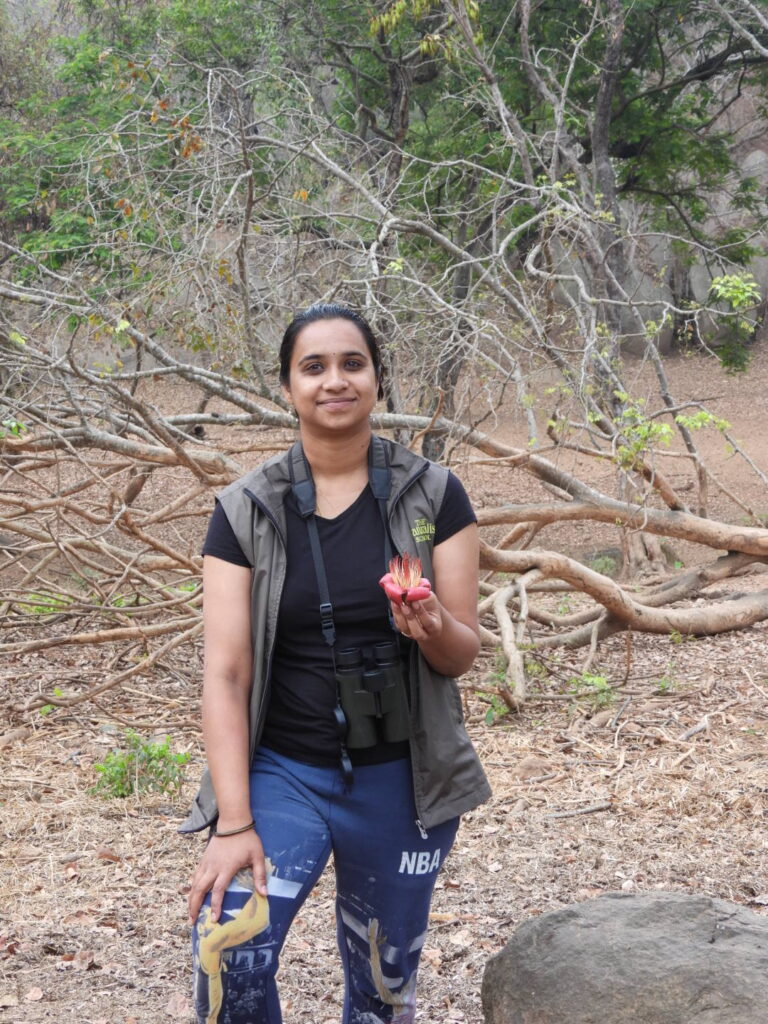
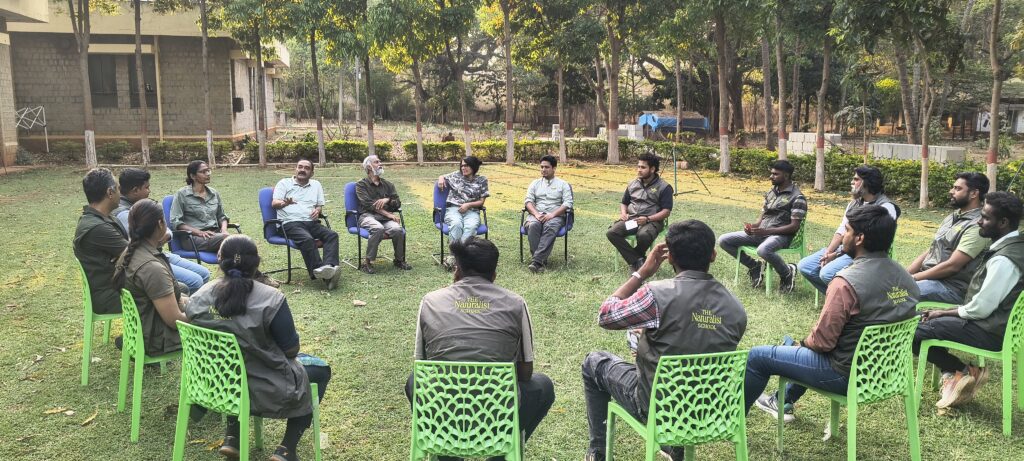
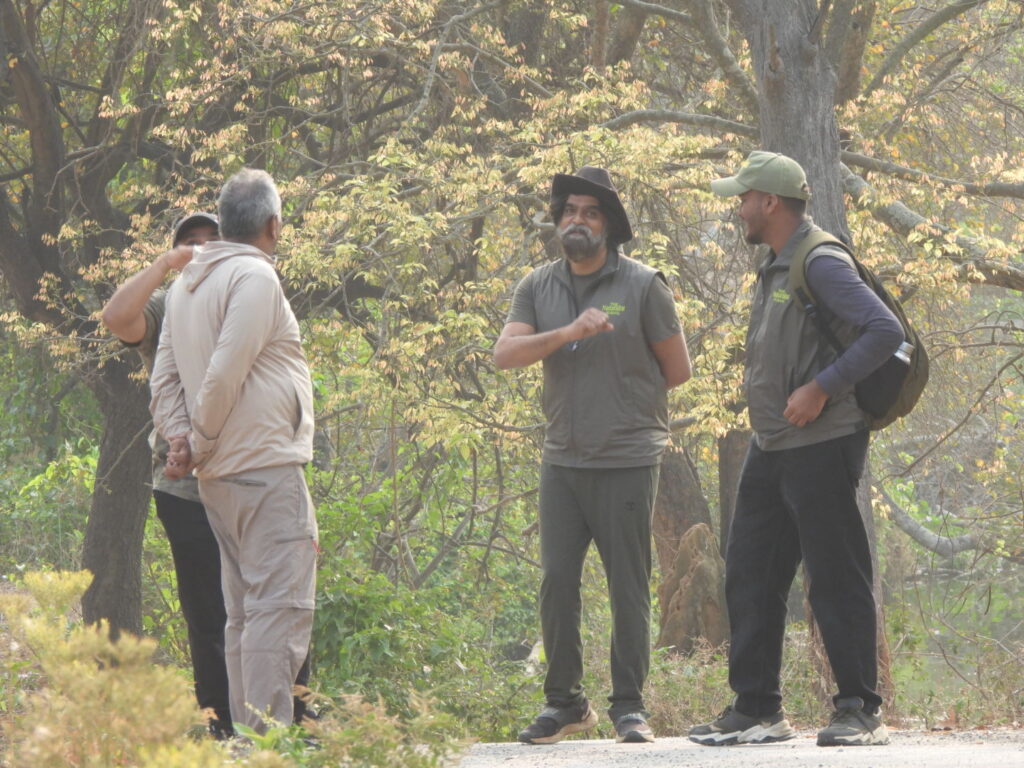
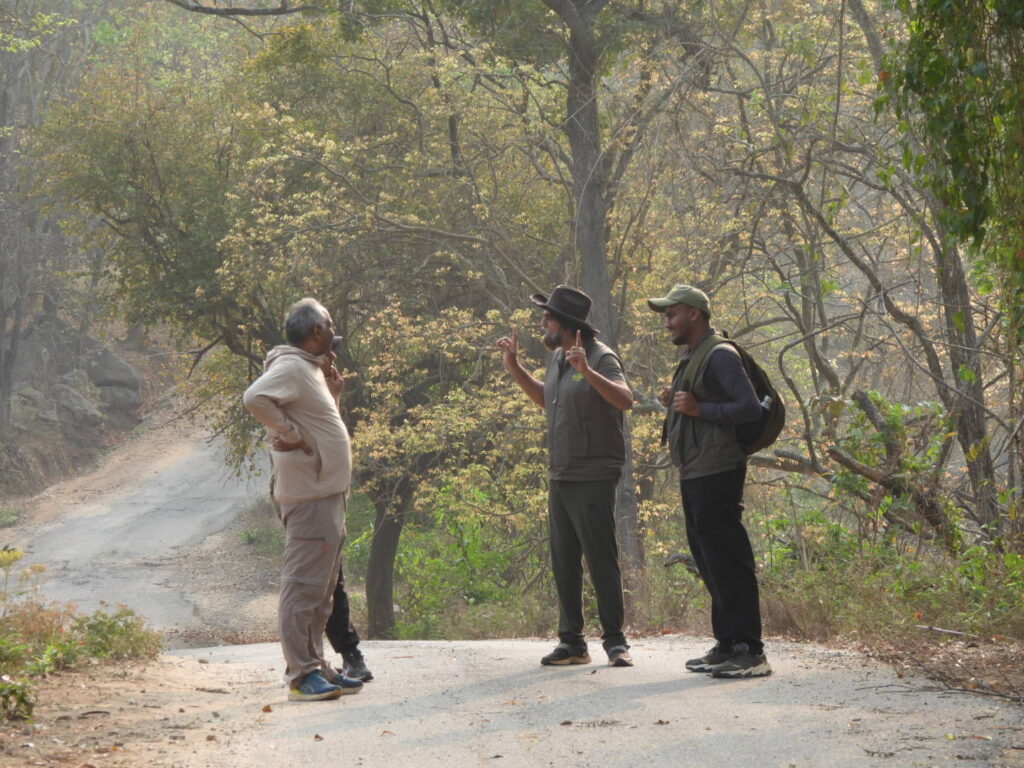
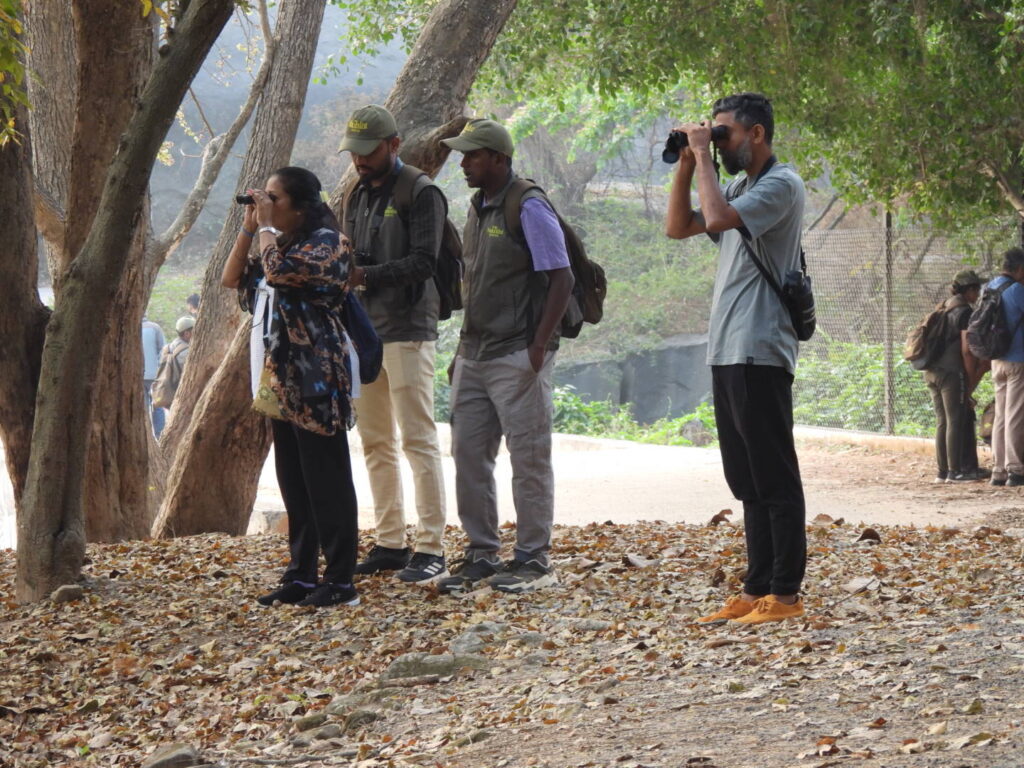
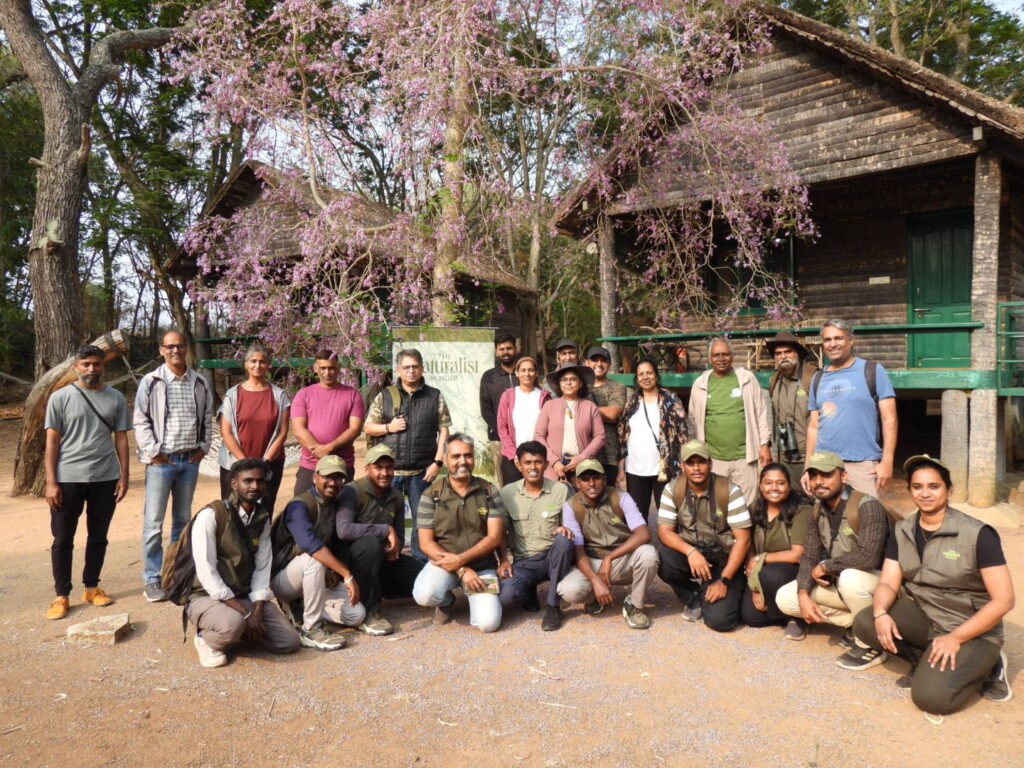
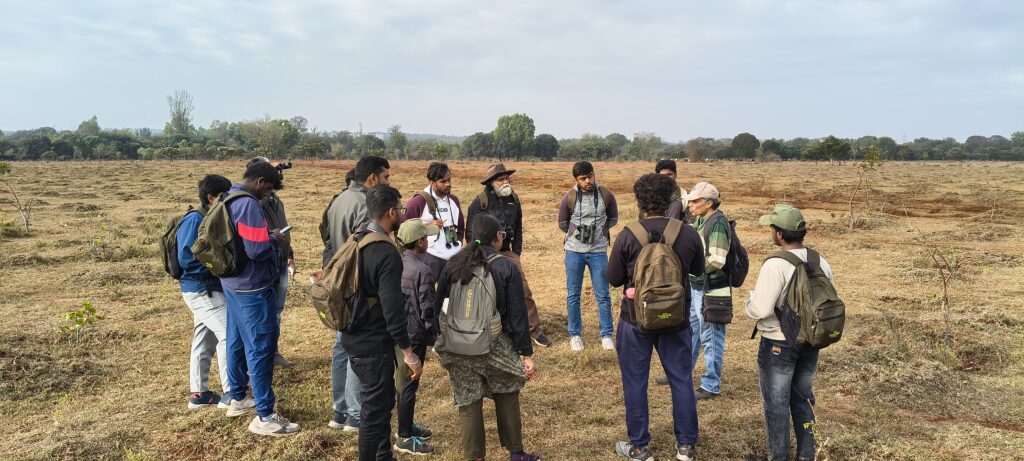
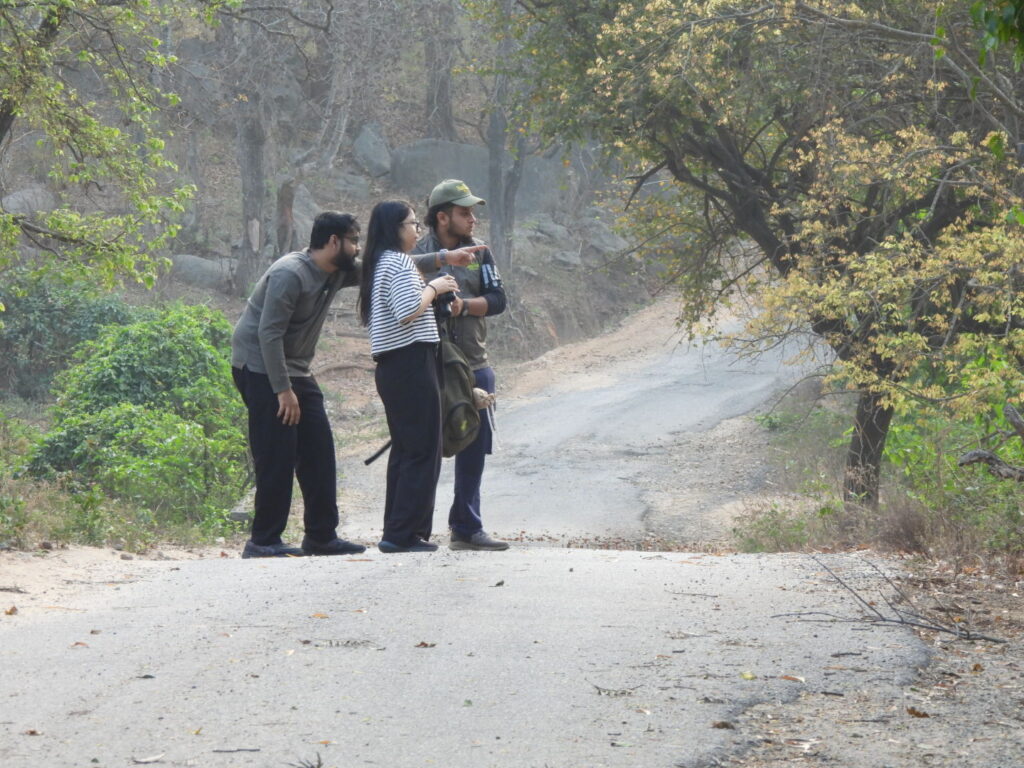
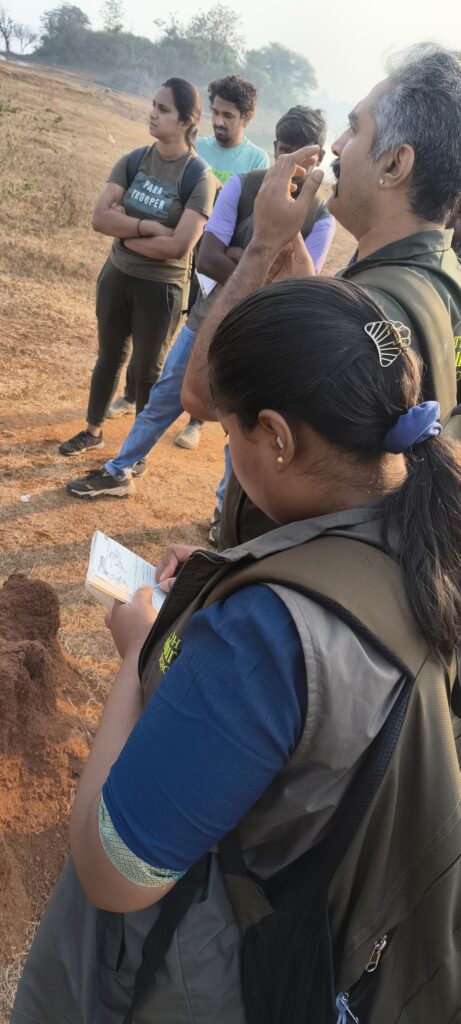
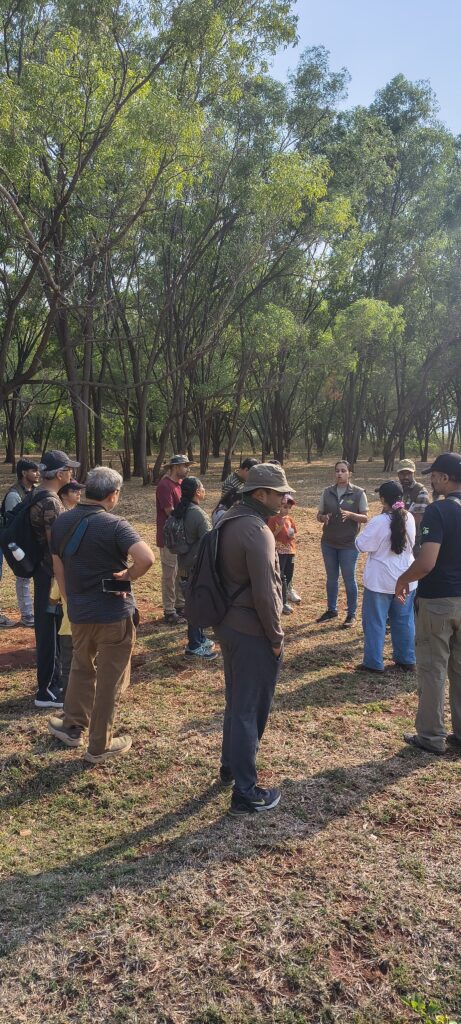
The Role of Community – Empowering local youth, celebrating biodiversity, and building conservation-linked livelihoods
The future of Hesaraghatta will depend not only on conservation institutions, researchers, and policymakers, but also on the communities that share this landscape.
Local youth possess something exceptionally valuable: a connection to place.
By combining this connection with scientific knowledge, interpretation skills, and professional training, the project supports a new generation of conservation champions who can bridge communities, visitors, and nature.
Responsible ecotourism means
-
- Creating meaningful experiences in nature
- Respecting ecological limits
- Supporting local communities
- Strengthening conservation outcomes
- Helping visitors understand the value of biodiversity
It is not about bringing more people into nature at any cost. It is about helping people engage with nature responsibly.
From Hesaraghatta to a Larger Vision
The Responsible Ecotourism project offers a model that can potentially be adapted to other landscapes where biodiversity conservation and community livelihoods intersect.
The vision is simple: when local communities become knowledgeable, confident, and skilled custodians of their landscapes, conservation becomes a shared responsibility.
Hesaraghatta’s grasslands provide an extraordinary classroom for this journey. The young people trained through this initiative are becoming some of its most important storytellers.
Through participant mobilisation, field engagement, training support, mentoring, programme coordination, and implementation, the project brought together young people, trainers, conservation practitioners, and local stakeholders around a shared vision of responsible ecotourism and community-led conservation.
Looking Ahead
The journey does not end with certification.
The real success of the project will be measured by what happens next: how these young guides use their skills, how many visitors they inspire, how effectively they communicate the value of Hesaraghatta’s biodiversity, and how conservation becomes part of their professional and personal lives.
Every guided walk can become an opportunity
-
- To notice
- To understand
- To connect
- To care
Hesaraghatta is not just a place to visit. It is a landscape to understand, respect, and protect.
Through responsible ecotourism, local youth can become an essential part of this story—building a future where conservation and livelihoods grow together.
This content for this post was originally written by Chandrashekar Koira (Project Manager – Community Impact)
[/vc_column_text][/vc_column][/vc_row]


No Comments
Sorry, the comment form is closed at this time.