

The Power of the People: How Citizen Science Took Center Stage at UNEA-7
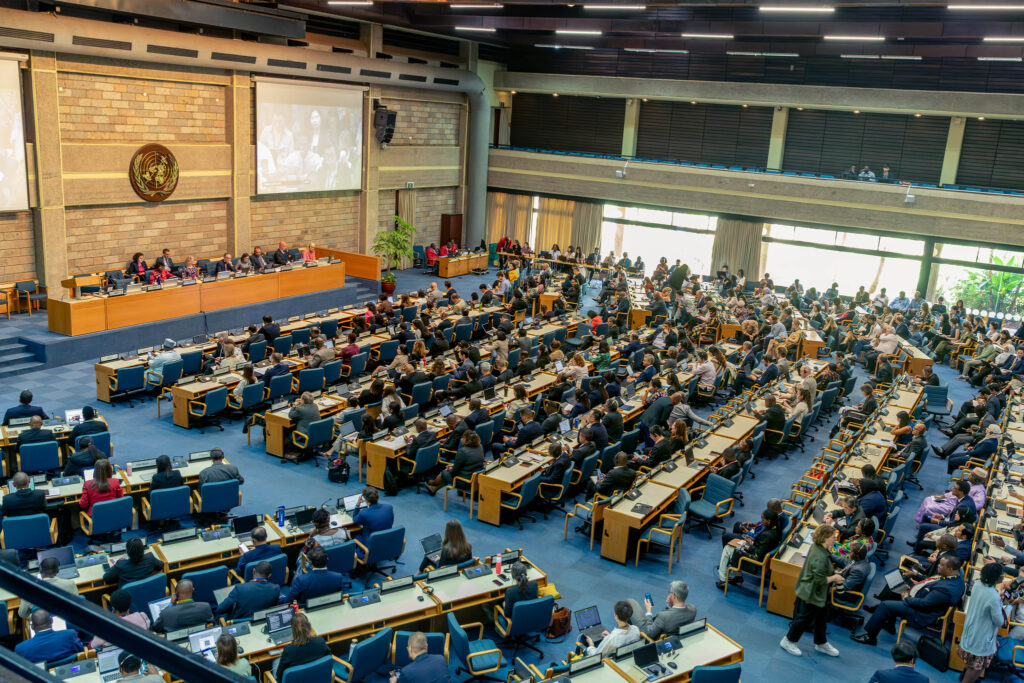
As the world gathered in Nairobi for the seventh session of the United Nations Environment Assembly (UNEA-7), a powerful new force was felt in the halls of global governance. Representing The Naturalist School (TNS) and as part of a 33-strong delegation from the Citizen Science Global Partnership (CSGP), we arrived with a singular mission: to ensure that the data and lived experiences of ordinary citizens are no longer sidelined in environmental policy.
TNS at the Heart of the Action
The Naturalist School didn’t just observe the proceedings; we were instrumental in shaping the technical and community-driven outputs of the assembly.
- On the Ground: Our community was represented by delegates Ram Dayal Vaishnav and Anukriti Sharma, who worked tirelessly in Nairobi to bridge the gap between grassroots observations and high-level policy.
- The Engine Room: Behind the scenes, Nibedita Chakraborty and Ashwin A provided critical “home support,” ensuring our delegation was equipped with the data and coordination needed to influence complex negotiations.
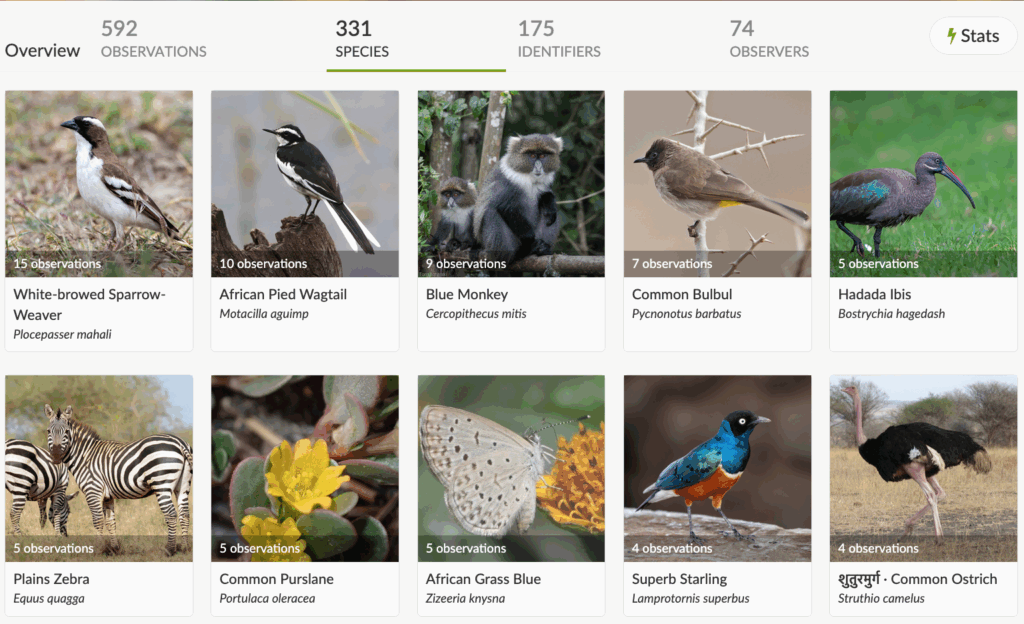
- Shaping the Science: TNS proudly served as the co-organizers for the Nairobi Biodiversity Challenge through which citizens documented more than 330 species in Nairobi during UNEA. To know more, visit the project on iNaturalist.
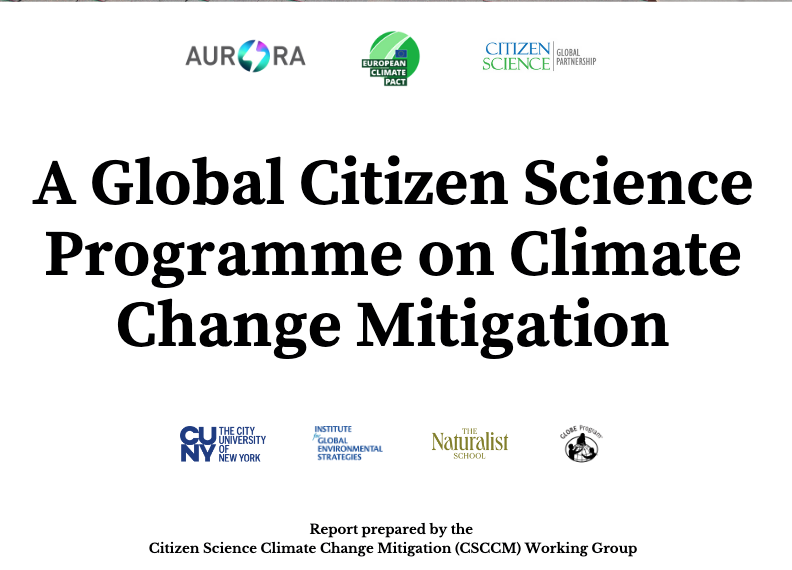
- Enabling Global Momentum: TNS acted as a supporting organization for the landmark report on ‘Citizen Science and Climate Change Mitigation’ published during the assembly. Read the full report at Aurora website or CSGP website.
A Synergetic Alliance: Science, Tech and Citizens
One of the most significant wins for our delegation was the deep synergy found with the Scientific and Technological Community Major Group. The formal scientific community emerged as a major supporter of citizen science at UNEA-7. Together, we successfully advocated for an inclusive science-policy interface where community-led monitoring is recognized as a vital pillar of the global evidence base.
Watch my interview with Dr Camilla, the co-facilitator of the major group below, to learn more about what she has to say about current state of science & citizen science at the global stage.
The Voice of the Community: What the Official Records Say
Our advocacy resulted in explicit mentions of citizen and local science across multiple regional statements within the official UNEA-7 compilation. Here is the specific language we helped secure:
- Asia and the Pacific: In a major victory for data equity, the region’s stakeholders called on member states to “Recognise, support and fund citizen science, traditional knowledge, and local solutions as on par with institutional or corporate ‘innovation’”.
- North America: The delegation highlighted the need for “systems thinking that bridges science, policy and practice,” specifically pointing to “citizen science for data and solutions” in managing climate risks like wildfires and water cycles.
- Africa: The African regional statement emphasized sovereignty and inclusivity, calling for the “support [of] inclusive engagement of… citizen science… in developing and implementing the Africa Clean Air Programme (ACAP)”.
- West Asia: Stakeholders here underscored that “Capacity-building efforts must focus on local knowledge systems and community-based solutions” to ensure real-time data informs policy.
You can refer to this UNEP document to read full statements mentioned above.
A Global Mandate: Beyond the Statements
UNEA-7 concluded with the adoption of 11 landmark resolutions and a Ministerial Declaration under the theme “Advancing sustainable solutions for a resilient planet”. These resolutions addressed critical issues where citizen science is poised to make a massive impact:
- Climate Resilience for Coral Reefs: A global call to protect these fragile ecosystems, an area where diver-led citizen science is already providing vital monitoring data.
- Wildfire Management: A new resolution on the global management of wildfires specifically aligns with our calls for community-based early warning systems and data collection.
- Artificial Intelligence (AI): The assembly adopted a first-of-its-kind resolution on the environmental sustainability of AI systems. TNS and the CSGP highlighted that community-led “ground-truth” data is essential to ensure these technological tools are accurate and ethically sourced.
- Youth & Education: Resolutions on the meaningful participation of youth and environmental education directly reinforce TNS’s mission of empowering the next generation of naturalists.
Why This Matters for The Naturalist School
For TNS, these aren’t just words on a page. They represent a global shift toward Open Science and Data Sovereignty. The assembly recognized that “meaningful participation” must be grounded in “diverse knowledge systems and open access to information”.
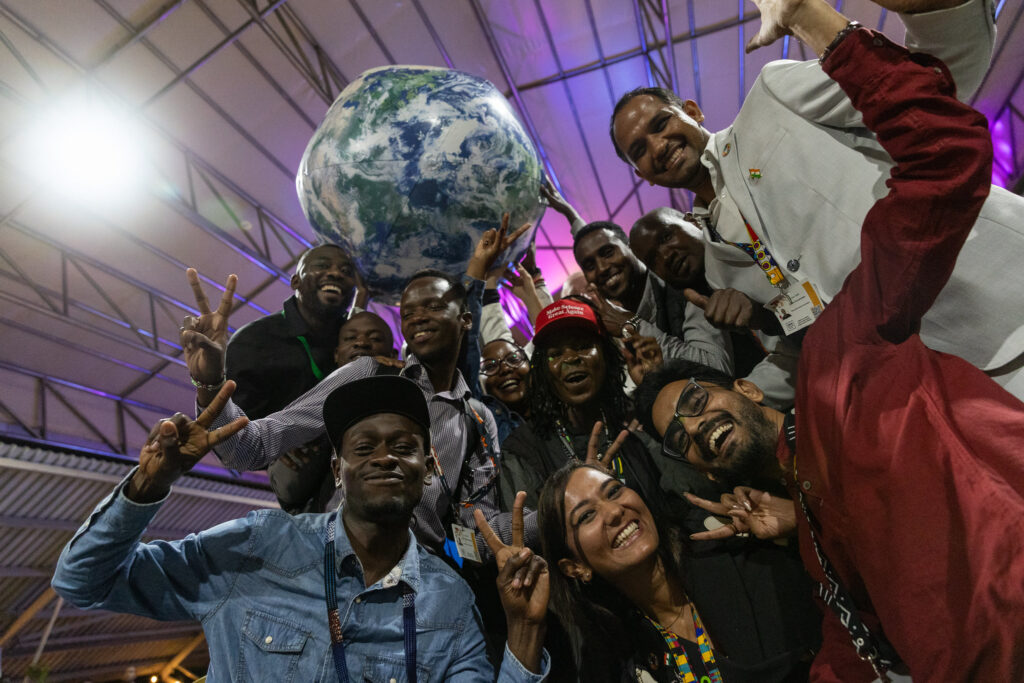
As we move forward, TNS remains committed to being the bridge between the naturalist on the ground and the policymaker at the UN. We went to Nairobi as 33 delegates, but we return as part of a global movement that proves science belongs to everyone.
The Path Forward
The decisions made in Nairobi prove that the world is finally listening, but the real data—the stories of our changing soil, air, and water—still lives with you. We don’t just need participants; we need architects of a new scientific era. If you’re ready to move from being an observer to a global contributor, let’s talk. Kindly write an email to ram[at]naturalist[dot]school, I am eager to hear your ideas.
As we return from Nairobi, the work for the CSGP has only just begun. The outcomes of UNEA-7 provide a mandate to integrate citizen-led monitoring into global treaties—from the burgeoning Global Plastics Treaty to the implementation of the Kunming-Montreal Global Biodiversity Framework.
No Comments
Sorry, the comment form is closed at this time.